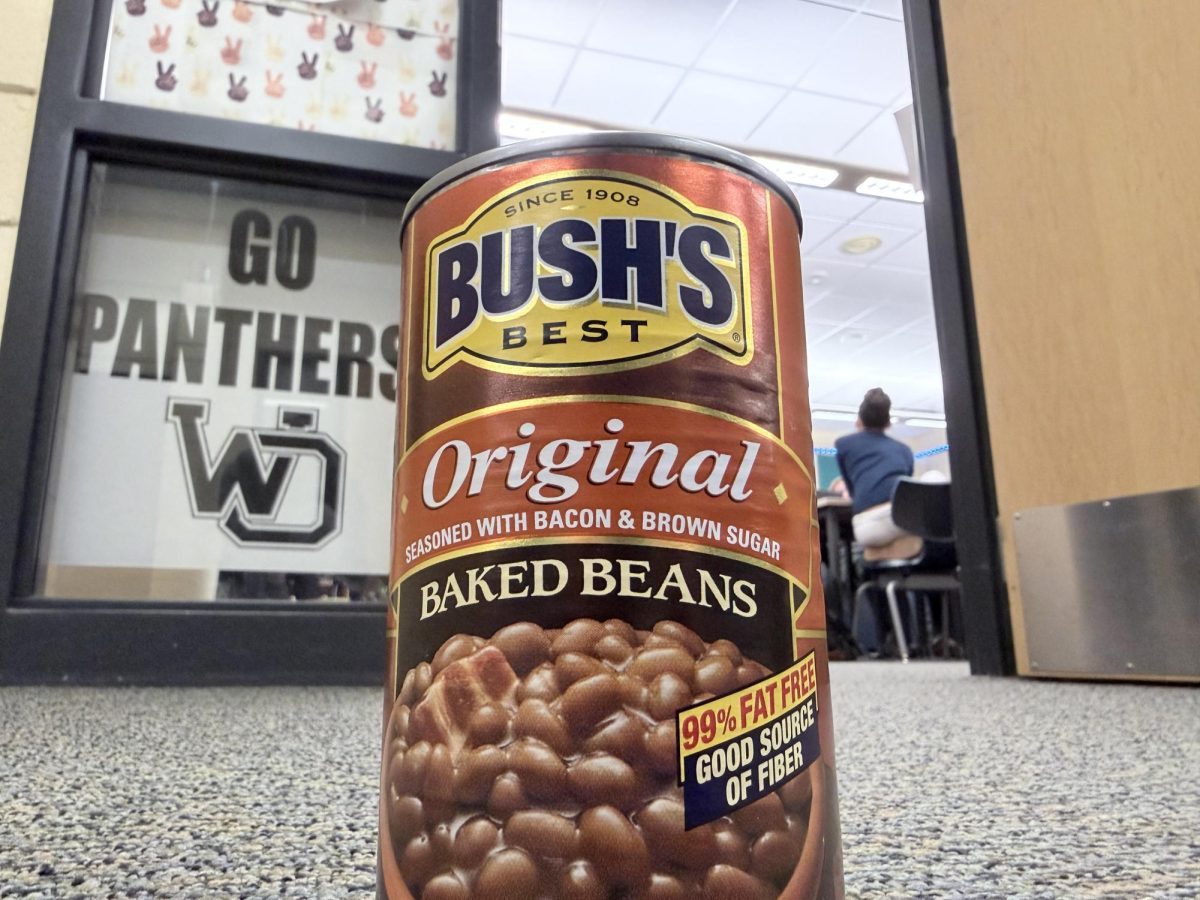
The South office includes a variety of resources that students use regularly–counselors’ offices, forms on secretaries’ desks, and health products. However, behind these resources is an often overlooked one: the school food pantry, which is filled to the brim with cereal, noodles, granola bars, oranges, canned goods, toiletries, and more. This pantry has become an increasingly important aspect of the resources WOHS offers.
Food insecurity is a significant issue in Ottawa County, making the food pantry an important service. According to nonprofit Feeding America, the food insecurity rate in Ottawa County was 11.8% of individuals in 2023. That means about one in ten people in Ottawa County have difficulty finding their next meal. However, the averages in these statistics do not show how food insecurity affects some groups disproportionately. The 2022 Michigan Behavioral Risk Factor Survey found that female, LGBT+, Black, or Hispanic adults were more likely to be affected by food insecurity. Additionally, food insecurity does not just lead to hunger. People who experience food insecurity are more likely to have chronic diseases, mental health issues, poor social wellbeing, and absences from work or school. Because of this, food insecurity is a cycle that negatively affects future wellbeing and amplifies gaps in social justice. The severity of the issue makes solutions like a food pantry essential.

Beth Spreitzer started the high school food pantry with When in Need West Ottawa (WINWO) funds when she saw food insecurity in the LINKS program. West Ottawa Equality Now (WENOW), a social activism club, took over the pantry this year after Spreitzer’s retirement. At first, WENOW was unsure if the pantry would be a doable project, because only a few students used it. Instructor and WENOW advisor Teresa McCrumb said, “We didn’t make a full commitment last year, so we spent all of last year assessing the situation and what was going to need to take place if we were gonna [run the pantry].”
The increase in use of the food pantry this year is due to WENOW’s efforts to make it more accessible and easy to run. For example, one of the biggest issues was a lack of knowledge of the pantry among students. Because of WENOW’s advertisements on West Ottawa Broadcasting Network and communication with teachers and counselors, more people know about the pantry than in previous years. Additionally, at the beginning of this school year, WENOW changed the shopping system. Before, secretaries monitored students in need while they filled their own bags. Now, these students fill out a Google form with an order for Tuesdays and Thursdays. This Google form only collects students’ emails, not their names, so it is anonymous to WENOW student volunteers but also allows them to distinguish between orders. After orders are submitted, WENOW fills bags based on the order and students pick it up at the office at the end of the day. Secretaries at South assist the students with perishable foods, like yogurt and cheese, when they pick up their bags. McCrumb said, “We really can’t get it done without [the secretaries’] help.” This speaks to the broader work ethic that the pantry system involves. McCrumb, students, and secretaries all have limited time during a school day, but they are all committed to the pantry. This commitment has a tangible impact. McCrumb says, “We have filled 42 bags,” in the first two months of school, serving “about ten people” consistently. This is a significant increase from last year.
Though the food pantry has limits, it is well-placed to address food insecurity for students. There are other organizations and programs in Ottawa County that help combat food insecurity, like Feeding America Mobile Food Pantries, Community Action House, Supplemental Nutrition Assistance Program (SNAP), and free school lunches. However, a food pantry at school is still important because it is more reliable and easy for families to access. It also provides for meals, like dinners and weekend meals, which happen out of school. WENOW had accessibility in mind from their meetings with administrators and secretaries about the pantry. McCrumb explained that they “had said multiple times that some of the people that had been using it in the past were kids with parents either not at home, or they were in situations where they didn’t have access to food, and they can’t necessarily drive to a food bank.” For students in these situations, bringing food home from school is the only accessible solution.
In the future, McCrumb believes that the food pantry will continue to serve the needs of WOHS. She said, “It will evolve as I leave WO, and hopefully someone else will pick it up. If the school is willing to support it and administrators are willing to support it, the pantry can exist.” Ultimately, McCrumb says, “We feel like our system would allow us to meet the needs of more.” With the funds from WINWO, support of administration, and commitment of WENOW this year, the food pantry has a strong foundation to grow even more in the future and support food security in Ottawa County.